Executive Function Coaching for Adults with ADHD
Build skills that actually work for your brain and understand why they stick.
Break the Cycle. Build Real Skills for ADHD.
If you’re stuck in loops of procrastination, overthinking, people-pleasing, or emotional overwhelm, it doesn’t mean you lack motivation—it means your brain needs a different strategy. My ADHD therapy goes beyond talk. We use structured, solution-focused sessions to track progress, build executive function, and retrain the mental habits that keep you stuck. With the right tools, you can improve time management, emotional regulation, focus, and motivation—so you can stop reacting and start moving forward with clarity.
YEARS OF EXPERIENCE
0
CLIENTS HELPED
0
+
of symptoms resolved in 12 sessions
0
%
Executive Function Feels Overwhelming—But It Doesn’t Have to Stay That Way
-
You’ve been to therapy. You’ve tried the meds, the planners, the habit trackers. Each new system works for a while—until it doesn’t. Then you’re back in the same cycle: burned out, people-pleasing, overwhelmed, and terrified you’re about to drop the ball again. Dating feels impossible. Relationships haven’t lasted. And even when things look fine on the outside, inside, you’re exhausted from masking and second-guessing every move. You don’t need another generic productivity hack—you need a space to take off the mask and finally understand your brain. I offer ADHD therapy that goes deeper than surface-level solutions. Together, we’ll uncover the patterns that keep you stuck and build strategies that actually stick—so you can live, love, and lead as your authentic self, without constantly feeling like you’re about to fall apart. -
You’ve Always Held It Together—Until Now Lately, everything feels harder. The routines that once worked no longer do. Your focus slips, your emotions feel bigger, and the mental load is heavier than ever. Whether you’ve just been diagnosed with ADHD or your symptoms have shifted due to hormones, it feels like the rug has been pulled out from under you—and no one prepared you for this. You’re not imagining it. ADHD shows up differently in women—and hormonal changes can intensify everything. I provide solution-focused, brain-based therapy for women navigating ADHD through life transitions like pregnancy, postpartum, perimenopause, menopause. Together, we’ll rebuild your routines, restore your sense of self, and create sustainable systems that actually support the way your brain works now. You’re evolving—and you don’t have to do it alone.
https://youtu.be/b1Ll36Jofws?si=hdzbLadQy8BbPegY
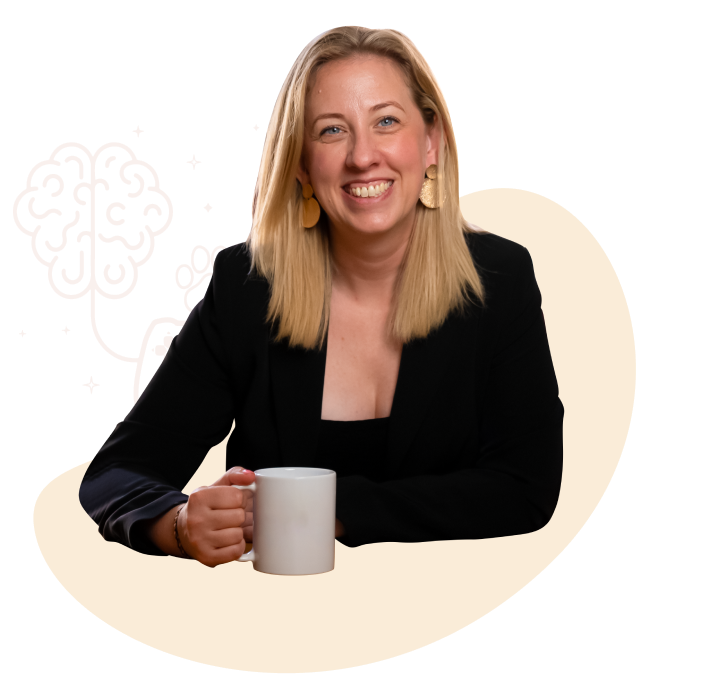
Hi, I’m Victoria!
I’m a Special Education Teacher, Licensed Professional Counselor, and Clinical Service Provider specializing in neurodivergent minds. I offer more than talk therapy—our sessions are focused on understanding how your brain works and using that insight to “hack” unhelpful patterns, rewrite habits, and build new pathways for emotional regulation, executive functioning, and daily success.
Whether you’re navigating ADHD, autism, learning disabilities, anxiety, or sensory overwhelm, we’ll work to reduce burnout, challenge people-pleasing, and quiet your inner critic—so you can finally take off the mask and step into your authentic self.
I also support clients in reducing relationship fatigue, improving communication skills, and navigating dating through the lens of their unique neurotype.
With over 15 years of experience in both education and mental health, I provide data-driven, skill-based strategies tailored to neurodivergent individuals—because you deserve support that’s practical, validating, and actually works.
Get Started Today, Schedule an Introduction Session!
Rewire Your Brain: Practical Tools for Change
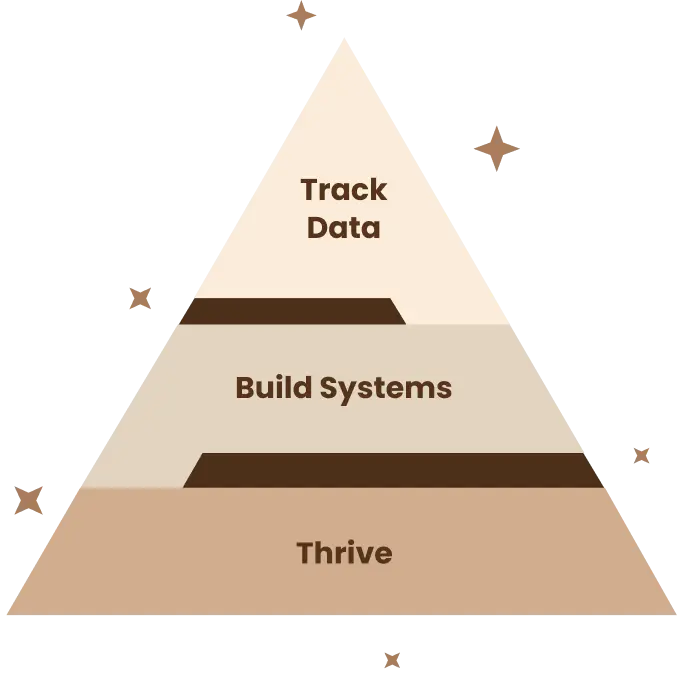
Data-Driven Solution-Focused Therapy:
- Forget deep dives into the past. We focus on real-time data you’ve collected between sessions to identify specific ADHD symptoms impacting daily life.
- This targeted, data-driven approach allows us to track progress quickly and adjust strategies for maximum effectiveness
Building Sustainable Systems:
- We’ll work together to create personalized systems that help your brain organize information effectively.
- With the right systems in place, you’ll experience less daily overwhelm—helping to reduce anxiety and depression over time.
- These systems are designed to be long-term solutions you can easily maintain for lasting success.
Unlocking Your Full Potential:
You’ve been working on anxiety and depression for years—maybe even since you were a kid. But what if those struggles were never the whole story? What if they’re rooted in ADHD symptoms, and now it’s finally time to target the root cause?
ADHD affects millions of children and adults worldwide, but medication isn’t the only option. Many individuals with ADHD find success and stability through evidence-based therapy, coaching, and executive function strategies—without relying on medication alone.
Victoria is a Licensed Professional Counselor (LPC) and Special Education Teacher specializing in ADHD therapy, anxiety treatment, and executive function coaching. With her expertise in neurodivergent minds, she helps clients develop skills to improve focus, time management, emotional regulation, and self-esteem—so they can thrive in school, work, and life.

📌 ADHD Prevalence in Children & Adults
- 9-10% of students in the U.S. and 7% globally have ADHD, though rates vary depending on diagnostic criteria.
- 4.5% of U.S. adults and 2.8% of adults worldwide have ADHD, but diagnosing ADHD in adults is more difficult due to outdated assessment methods.
- 30% of individuals with ADHD have a concurrent learning disability.
📌 Do Kids “Outgrow” ADHD?
- Only 5-10% of kids diagnosed with ADHD officially outgrow it—but research suggests many simply learn better coping strategies and executive function skills to manage symptoms effectively.
📌 Is ADHD Genetic?
- ADHD is one of the most inherited mental health conditions—55% of adults with ADHD have at least one child with ADHD.
- If one child in a household has ADHD, there’s a 33% chance another child in the family has it too.

📌 The Link Between ADHD & Anxiety
- Children of anxious parents are more likely to develop anxiety themselves and to perceive ambiguous situations as threatening.
📌 Adult Children of Emotionally Immature Parents
- Many ADHDers grow up believing they are the problem—but the truth is, they may have been raised by emotionally immature parents who used manipulation, guilt, and parentification to prioritize their own needs over their child’s.
- While ADHD is hereditary, emotional immaturity can also be passed down through generations, creating a cycle of neurodivergence and emotional dysfunction that makes boundary-setting and self-worth a lifelong struggle.

How Hormonal Changes Impact ADHD Symptoms
Whether you’re navigating pregnancy, postpartum, perimenopause, or menopause, one thing is clear: your brain doesn’t feel like your own anymore. The systems and strategies you once relied on? They’ve stopped working—and no one warned you how hard this could be.
ADHD in women is deeply affected by hormonal shifts, especially during times of major life transitions. Estrogen plays a vital role in dopamine regulation—the very neurotransmitter that ADHD brains struggle with already. When estrogen levels drop, ADHD symptoms like emotional dysregulation, brain fog, poor memory, and sleep disruption can hit harder than ever.
You may feel like:
-
The rug’s been pulled out from under you
-
You’re emotionally raw, overstimulated, and exhausted
-
You can’t finish tasks—even though you’re trying harder than ever
-
You’re constantly asking, “Why can’t I keep up?”
📊 Research Shows:
-
Pregnancy & Postpartum: Sudden hormone drops after birth can intensify ADHD symptoms, increase sensory sensitivity, and create debilitating sleep disruptions.
-
Perimenopause & Menopause: 94% of women report worsening ADHD symptoms during these stages, including increased memory lapses, mood swings, and executive dysfunction.
-
40s & 50s: 70% report that memory and overwhelm become life-altering.
-
Across All Life Stages: Over 50% of women with ADHD report elevated anxiety, emotional reactivity, and difficulty managing day-to-day demands.
Personalized ADHD Treatment for Women Experiencing Hormonal Shifts
It feels like your old systems betrayed you. The checklists, planners, routines—they used to keep you grounded. Now you’re sleep-deprived, emotionally on edge, and stuck in a fog of indecision.
You’re not broken—and you’re definitely not alone.
I specialize in helping women with ADHD who are moving through intense hormonal seasons. Whether you’re postpartum with a newborn or in perimenopause wondering why everything feels so off, I’m here to help you find your footing again.
Together, we’ll:
-
Create realistic systems that actually work with your current energy, bandwidth, and brain -
Manage focus & time-blindness to stay on top of responsibilities -
Reduce irritability & frustration so emotional dysregulation doesn’t take over -
Reignite motivation and learn how to work with your changing brain -
Hormone-Aware ADHD Therapy – Strategies tailored to cognitive changes due to estrogen fluctuations. -
Data Tracking – Tools to help identify if this is ADHD vs. Hormonal.
Let’s work together to untangle the chaos and help you feel steady again—even when your hormones aren’t.

Support for ADHD and Autism—Designed with You in Mind
If you’re navigating life with ADHD, Autism, or both, you know how overwhelming the world can feel—loud, fast, and not built for your brain. Whether you’re masking to get through the day, stuck in analysis paralysis, or constantly fighting burnout, you’re not alone. I offer neurodivergent-affirming therapy that helps you understand your brain, unmask safely, and build systems that actually work for you—not against you.
Let’s create a path that honors who you are, not who you’ve been told to be.

Comprehensive Adult ADHD Assessment – Modern, Data-Driven, and Insurance-Friendly
Struggling with focus, procrastination, or feeling overwhelmed? Traditional ADHD evaluations for adults haven’t been updated to reflect the impact of technology, modern work demands, or overlapping conditions like anxiety, depression, and executive dysfunction. My comprehensive ADHD assessment takes a data-driven, personalized approach—meeting for eight manageable 30-minute sessions instead of a single four-hour test.
Together, we’ll track daily patterns, explore how ADHD presents in your life, and assess whether medication, accommodations, or targeted strategies can help. Unlike traditional testing, this insurance-covered process provides real-world insights while allowing time to test solutions. At the end of our sessions, you’ll receive a formal diagnosis and, if needed, an accommodation letter or prescriber report.
Why 30-Minute Sessions Work—Especially for ADHD Brains
You don’t need to spend an hour every week rehashing the past to make progress. My 30-minute sessions are intentionally structured to be short, focused, and effective—designed to fit the way your brain works and the reality of your schedule.
These sessions:
-
Help you stay engaged without burning out
-
Fit easily into a lunch break, workday, or school pick-up window
-
Focus on what’s next instead of getting stuck in the past
-
Deliver actionable tools and support without overwhelming you with too much information
-
Respect your time, energy, and attention span
Instead of circling the same old stories, we work together to build momentum, identify patterns, and implement small, sustainable shifts—fast. This style of therapy is ideal for busy professionals, parents, college students, and anyone whose brain needs structure, not stress.
ADHD affects millions of children and adults worldwide, but medication isn’t the only option. Many individuals with ADHD find success and stability through evidence-based therapy, coaching, and executive function strategies—without relying on medication alone.
Victoria is a Licensed Professional Counselor (LPC) and Special Education Teacher specializing in ADHD therapy, anxiety treatment, and executive function coaching. With her expertise in neurodivergent minds, she helps clients develop skills to improve focus, time management, emotional regulation, and self-esteem—so they can thrive in school, work, and life.
📌 ADHD Prevalence in Children & Adults
- 9-10% of students in the U.S. and 7% globally have ADHD, though rates vary depending on diagnostic criteria.
- 4.5% of U.S. adults and 2.8% of adults worldwide have ADHD, but diagnosing ADHD in adults is more difficult due to outdated assessment methods.
- 30% of individuals with ADHD have a concurrent learning disability.
📌 Do Kids “Outgrow” ADHD?
- Only 5-10% of kids diagnosed with ADHD officially outgrow it—but research suggests many simply learn better coping strategies and executive function skills to manage symptoms effectively.
📌 Is ADHD Genetic?
- ADHD is one of the most inherited mental health conditions—55% of adults with ADHD have at least one child with ADHD.
- If one child in a household has ADHD, there’s a 33% chance another child in the family has it too.
📌 The Link Between ADHD & Anxiety
- Children of anxious parents are more likely to develop anxiety themselves and to perceive ambiguous situations as threatening.
📌 Adult Children of Emotionally Immature Parents
- Many ADHDers grow up believing they are the problem—but the truth is, they may have been raised by emotionally immature parents who used manipulation, guilt, and parentification to prioritize their own needs over their child’s.
- While ADHD is hereditary, emotional immaturity can also be passed down through generations, creating a cycle of neurodivergence and emotional dysfunction that makes boundary-setting and self-worth a lifelong struggle.
How Hormonal Changes Impact ADHD Symptoms
Whether you’re navigating pregnancy, postpartum, perimenopause, or menopause, one thing is clear: your brain doesn’t feel like your own anymore. The systems and strategies you once relied on? They’ve stopped working—and no one warned you how hard this could be.
ADHD in women is deeply affected by hormonal shifts, especially during times of major life transitions. Estrogen plays a vital role in dopamine regulation—the very neurotransmitter that ADHD brains struggle with already. When estrogen levels drop, ADHD symptoms like emotional dysregulation, brain fog, poor memory, and sleep disruption can hit harder than ever.
You may feel like:
-
The rug’s been pulled out from under you
-
You’re emotionally raw, overstimulated, and exhausted
-
You can’t finish tasks—even though you’re trying harder than ever
-
You’re constantly asking, “Why can’t I keep up?”
📊 Research Shows:
-
Pregnancy & Postpartum: Sudden hormone drops after birth can intensify ADHD symptoms, increase sensory sensitivity, and create debilitating sleep disruptions.
-
Perimenopause & Menopause: 94% of women report worsening ADHD symptoms during these stages, including increased memory lapses, mood swings, and executive dysfunction.
-
40s & 50s: 70% report that memory and overwhelm become life-altering.
-
Across All Life Stages: Over 50% of women with ADHD report elevated anxiety, emotional reactivity, and difficulty managing day-to-day demands.
Personalized ADHD Treatment for Women Experiencing Hormonal Shifts
It feels like your old systems betrayed you. The checklists, planners, routines—they used to keep you grounded. Now you’re sleep-deprived, emotionally on edge, and stuck in a fog of indecision.
You’re not broken—and you’re definitely not alone.
I specialize in helping women with ADHD who are moving through intense hormonal seasons. Whether you’re postpartum with a newborn or in perimenopause wondering why everything feels so off, I’m here to help you find your footing again.
Together, we’ll:
-
Create realistic systems that actually work with your current energy, bandwidth, and brain -
Manage focus & time-blindness to stay on top of responsibilities -
Reduce irritability & frustration so emotional dysregulation doesn’t take over -
Reignite motivation and learn how to work with your changing brain -
Hormone-Aware ADHD Therapy – Strategies tailored to cognitive changes due to estrogen fluctuations. -
Data Tracking – Tools to help identify if this is ADHD vs. Hormonal.
Let’s work together to untangle the chaos and help you feel steady again—even when your hormones aren’t.
Support for ADHD and Autism—Designed with You in Mind
If you’re navigating life with ADHD, Autism, or both, you know how overwhelming the world can feel—loud, fast, and not built for your brain. Whether you’re masking to get through the day, stuck in analysis paralysis, or constantly fighting burnout, you’re not alone. I offer neurodivergent-affirming therapy that helps you understand your brain, unmask safely, and build systems that actually work for you—not against you.
Let’s create a path that honors who you are, not who you’ve been told to be.
Comprehensive Adult ADHD Assessment – Modern, Data-Driven, and Insurance-Friendly
Struggling with focus, procrastination, or feeling overwhelmed? Traditional ADHD evaluations for adults haven’t been updated to reflect the impact of technology, modern work demands, or overlapping conditions like anxiety, depression, and executive dysfunction. My comprehensive ADHD assessment takes a data-driven, personalized approach—meeting for eight manageable 30-minute sessions instead of a single four-hour test.
Together, we’ll track daily patterns, explore how ADHD presents in your life, and assess whether medication, accommodations, or targeted strategies can help. Unlike traditional testing, this insurance-covered process provides real-world insights while allowing time to test solutions. At the end of our sessions, you’ll receive a formal diagnosis and, if needed, an accommodation letter or prescriber report.
Why 30-Minute Sessions Work—Especially for ADHD Brains
You don’t need to spend an hour every week rehashing the past to make progress. My 30-minute sessions are intentionally structured to be short, focused, and effective—designed to fit the way your brain works and the reality of your schedule.
These sessions:
-
Help you stay engaged without burning out
-
Fit easily into a lunch break, workday, or school pick-up window
-
Focus on what’s next instead of getting stuck in the past
-
Deliver actionable tools and support without overwhelming you with too much information
-
Respect your time, energy, and attention span
Instead of circling the same old stories, we work together to build momentum, identify patterns, and implement small, sustainable shifts—fast. This style of therapy is ideal for busy professionals, parents, college students, and anyone whose brain needs structure, not stress.
ADHD doesn’t have to hold you back. Learn ADHD-friendly strategies that support focus, motivation, and emotional regulation—whether or not you choose medication. With the right tools, you can build systems that actually work for your brain.
Ready to feel in control again?
Video Game Social Skills Groups for Neurodivergent Kids
Minecraft Social Skills Group helps neurodivergent kids with ADHD, Autism, AuDHD, Anxiety & Depression strengthen self esteem, communication skills, flexible thinking, emotional regulation, and reduce solo play.
Victoria is in-network with atena, united, bcbs & more making participation accessible and affordable for families.
Winter Cohort
-
Feb 3 – May 20th
-
1 hour live coaching session weekly
-
Tuesday’s or Wednesday’s
-
4:30pm ET or 6pm ET
-
Kids have access to the realm to continue to build skills and friendships in the realm during the entire cohort
Summer Cohort – June 2nd – August 18
Fall Cohort – September 8th – December 30th

Ready to Create
Lasting Change?
3 Step Process to Investing in Your Future
Schedule An Introduction Session Today
- Schedule An Introduction Call
- Intent to commit
- See The Change
No pressure. No judgment.
Just a supportive, focused conversation to explore your goals, your challenges, and the patterns that have been keeping you stuck. We’ll talk about what’s working, what’s not, and how ADHD-focused support can help you move forward—with clarity and confidence.
Therapy That Fits Your Brain—and Your Schedule
No more sitting through an hour that feels like too much. My focused 30-minute sessions are designed to match your attention span, reduce overwhelm, and fit seamlessly into your busy day—because progress doesn’t have to take forever.
Plan for weekly sessions for the first 4-6 weeks to build data, hone in on the habit and for extra accountability. Sessions then move to every other week, asking you to just set aside 1 hour a month for therapy.
Leave each session with clear, realistic strategies tailored to your life and how your brain actually works. You don’t need more pressure—you need tools that feel doable, not draining.
As we work together, you’ll start to notice the deeper shifts:
-
Less shame and second-guessing
- Less procrastination and more motivation
-
More self-trust, structure, and emotional regulation
-
Less burnout from masking and overcompensating
-
More clarity, confidence, and connection—in your work, relationships, and daily routines
This is more than symptom management. It’s a process of unlearning survival mode and building a life that works with your brain—not against it.
Most clients begin to see the change within the first 13 sessions!
[instagram-feed feed=1]